
A shared plan to grow Langhorne Creek's visitor economy
Tourism Development Plan - Alexandrina Council - 2026
The Opportunity
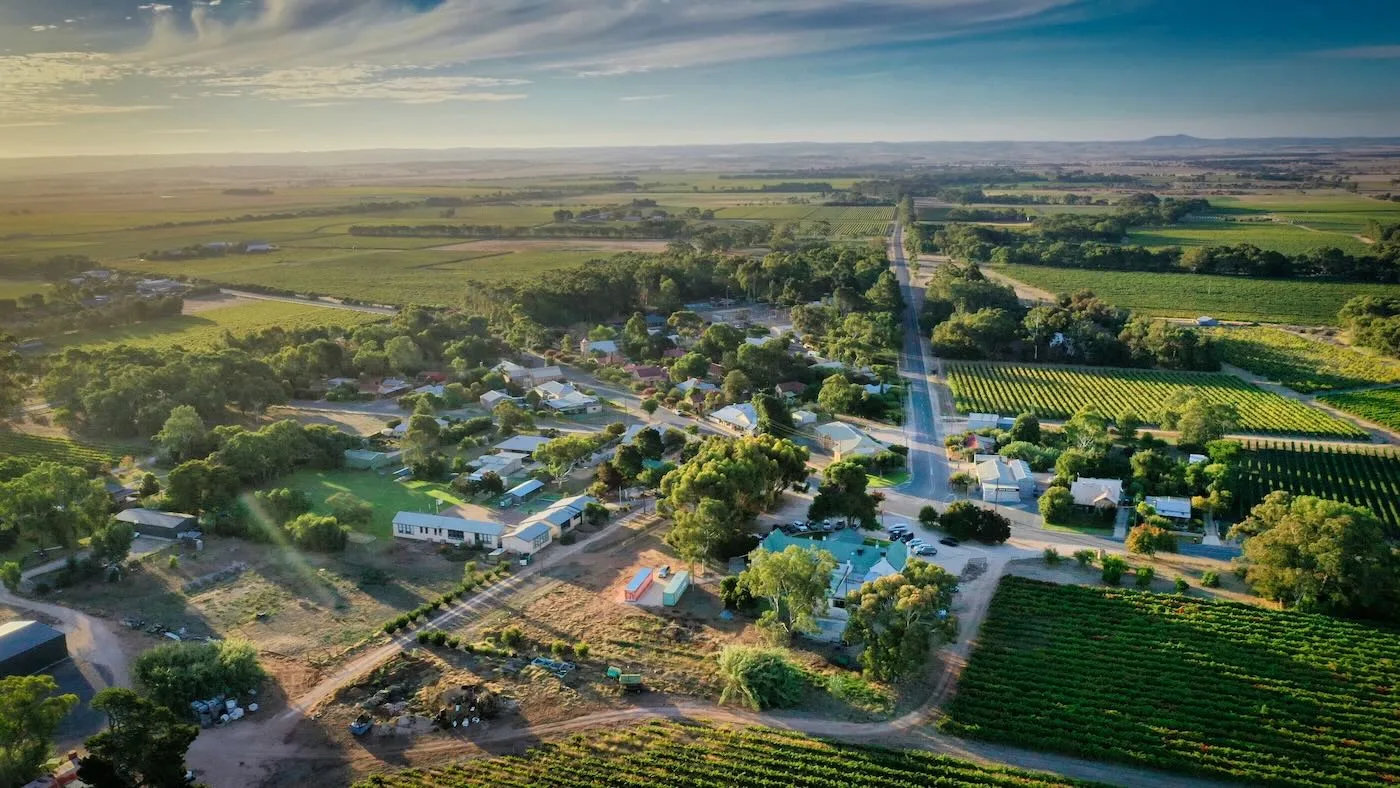
Langhorne Creek is a boutique and story-rich wine grape growing region in South Australia. It's a place shaped by water, where floodplains, river red gums and Lake Alexandrina frame vineyards on Ngarrindjeri Country, many still run by founding families.
Sitting between the Fleurieu Peninsula and the Murray River, Lakes and Coorong, Langhorne Creek is surrounded by two tourism regions that welcome more than 4.4 million visitors each year. While Langhorne Creek has a distinctive visitor offering and stories that strengthen the appeal of both broader tourism regions.
With a $7 million Langhorne Creek Discovery Trail due to open in April 2027, Alexandrina Council asked us to help the region capitalise on this generational investment in the region. The plan needed to bring local people behind one ambition, strengthen the case for increased funding in tourism opportunities, and demonstrate the future potential of the region and it's role in supporting both regional state visitor economy objectives.
Our Approach
We started by connecting with key stakeholders to understand what people love about the region and what is holding tourism back. We then brought industry and community representatives together for a visioning workshop to shape a shared picture of tourism's future.
Alongside these conversations, we built the evidence base by reviewing relevant strategies and plans, available economic data, the Discovery Trail business case and its economic study, and by auditing the region's experiences, accommodation and visitor readiness. Comparing it with data for the neighbouring regions helped everyone see the size of the opportunity.
At the same time, we were working with SATC to develop Destination Management Plans for both the Fleurieu and Murray River Lakes and Coorong tourism regions. This meant we could draw on a deeper evidence base to understand the challenges and opportunities, along with ensuring we developed an aligned strategic direction for the region in both documents.
What we heard
Locals spoke with pride and connection with people and place. They described a community that looks out for one another, strong and effective collaboration, and passionate and protective of their stories and heritage.
Stakeholders were just as open about the pressures they face regarding reaching their tourism.
Tourism coordination rests on a small group of volunteers, and the region's stories are powerful but not yet told consistently. Visitors have few bookable experiences, and a wine industry that is facing oversupply, rising costs and water security issues is also weighing on the businesses that tourism relies on.

^ Visioning Workshop with Langhorne Creek tourism stakeholders
What we Developed
A Plan that unites stakeholders and mobilises collaboration
We developed the plan using our TTC Destination Stewardship Framework, which shares accountability across the organisations and people who drive tourism outcomes for the region. No single organisation delivers tourism outcomes alone, so a shared model helps the region stay on course through staff changes, shifting funding cycles and external shocks.
The benefit of working with a smaller tourism region was that we could get quite focused on the opportunities that would create impactful change.
We built the plan around focus areas, each with named partners, a defined impact and a timeframe. This makes collaboration part of the plan's design, and gives stakeholders a practical and flexible delivery pipeline, with the ability for projects to be scoped in or out as priorities and opportunities change.
To help create immediate impact, we sequenced and prioritised the opportunities, which is important for a region that wants to see results quickly, with limited capacity to deliver.
Project Impact
This plan gives Langhorne Creek a shared direction for tourism that everyone can work from.
- For Council and industry, it is evidence that helps prioritise funding and investment, take to investors, and support grant funding opportunities.
- For local businesses and residents, it is an ambition they helped shape and a story they can all tell with their interactions with visitors to strengthen the region's brand and reputation.
- For Fleurieu Peninsula Tourism, the Murray River, Lakes and Coorong Tourism Alliance and SATC, it shows how Langhorne Creek contributes to the broader regional and state goals.
Above all, the plan gives stakeholders a structure to grow tourism in a way that suits Langhorne Creek, with a focus on longer stays, higher spend, and new visitors.
What's next
In October 2026, we are scheduled to facilitate a hands-on planning workshop with the stakeholders who will steward the plan.
This workshop is designed to move the stewardship framework into practice. A plan shared across many partners works best when each partner knows what they are responsible for and has the capacity to deliver it. Agreeing governance and priorities together, with every stakeholder organisation represented, builds the shared ownership and momentum the plan needs in its first year. It will also give Council and industry a set of well-scoped projects to progress as the Discovery Trail approaches its April 2027 opening.